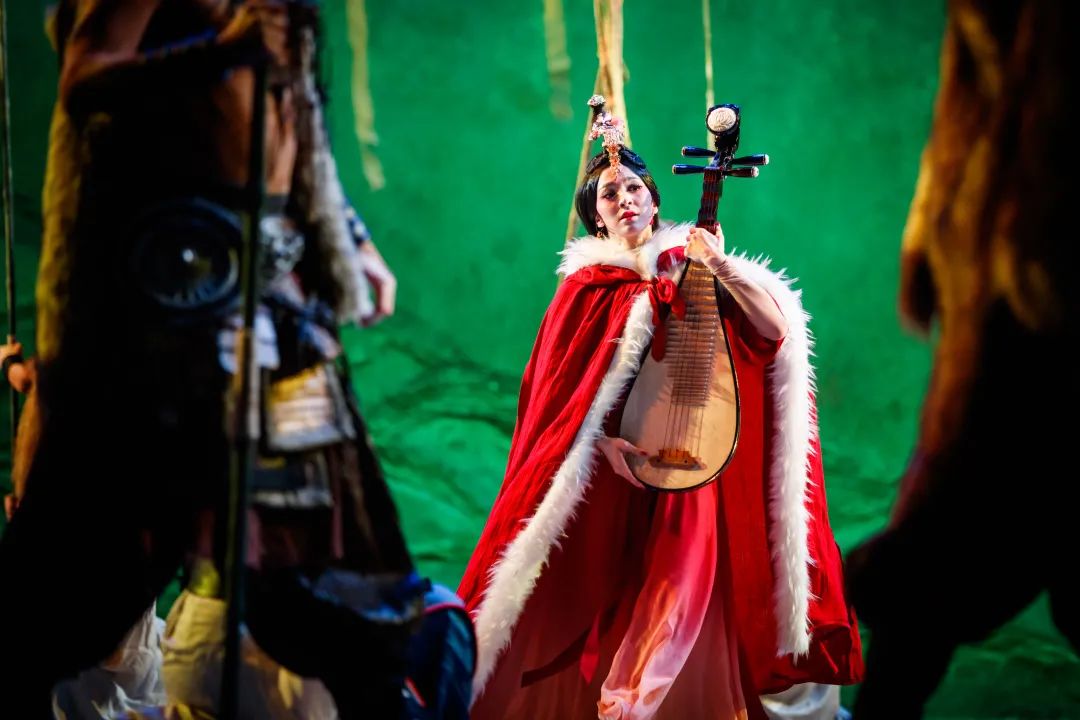
Wang Zhaojun
Introduction
Wang Zhaojun is one of the most celebrated figures in Chinese history, renowned for her beauty and her role in fostering peace between the Han Dynasty and the Xiongnu, a nomadic tribe in the north. She is one of China's "Four Great Beauties" and is often depicted in literature, art, and folklore. Her story is notable for its emphasis on cultural exchange and diplomacy, as she was sent as a bride to the Xiongnu leader to secure peace and harmony. Over the centuries, her life has been retold in various forms, including operas, dance dramas, and other artistic depictions, making her an enduring symbol of beauty and sacrifice for the greater good.
Early Life
Wang Zhaojun was born in a village near the modern-day Xingshan county in Hubei province. The exact date of her birth is not well-documented, but it is believed to have been during the Western Han Dynasty (206 BC-AD 24). Her family was not of noble birth but was respected in their community. From a young age, Wang Zhaojun was noted for her intelligence, beauty, and skill in music and chess. These qualities eventually led her to be selected as one of the maidens to serve at the imperial palace in Chang'an (modern-day Xi'an).
Life Among the Xiongnu
The turning point in Wang Zhaojun's life came when she was chosen to become the bride of Huhanye Chanyu, the leader of the Xiongnu, a powerful nomadic tribe from the north. This marriage was part of a diplomatic strategy by the Han emperor to establish peace with the Xiongnu, who had been in conflict with the Han Dynasty for many years. Wang Zhaojun's journey to the Xiongnu tribe marked a significant event, symbolizing a bridge between the Han empire and Xiongnu tribe and promoting peace over warfare.
Wang Zhaojun's marriage to Huhanye Chanyu was not only a personal sacrifice but also a significant political alliance. Upon her arrival, she was warmly received by the Xiongnu people, and her presence was instrumental in maintaining a peaceful relationship between the two peoples. Her life in the Xiongnu court was marked by her efforts to adapt to a foreign culture while maintaining her identity. Despite the challenges, she was able to foster mutual respect and understanding, becoming a beloved figure among the Xiongnu.
Wang Zhaojun's influence extended beyond her role as a bride. She became a cultural ambassador, introducing Han customs, music, and art to the Xiongnu people. Her presence in the Xiongnu court is believed to have facilitated cultural exchanges, influencing the arts and traditions of both societies. Her story has been preserved in various forms of art and literature, reflecting her legacy as a symbol of cultural integration and peace.
Legacy and Cultural Impact
Wang Zhaojun's story has been immortalized in Chinese folklore and literature. She is often portrayed as a heroine who sacrificed her personal happiness for the greater good, embodying the virtues of loyalty, courage, and dignity. Her life has inspired countless poems, plays and novels, making her a timeless figure in Chinese cultural history.
Wang Zhaojun has been a popular subject in Chinese art, depicted in paintings, sculptures and operas. Her beauty and story have been captured by artists throughout the centuries, each adding their interpretation to her legacy. Notably, her tale has been adapted into various performing arts, such as the renowned dance drama Princess Zhaojun by the China National Opera and Dance Drama Theater, which highlights her life and contributions to peace and cultural exchange.
Historical Significance
Wang Zhaojun's marriage to the Xiongnu leader marked a pivotal moment in Chinese history. Her story is often cited as an example of successful diplomacy and the potential for peaceful resolutions to conflict. Her life represents the power of cultural diplomacy and the importance of intercultural understanding. As a historical figure, she continues to be a symbol of peace and the possibility of harmony between different peoples and cultures.








